10/25/15

The Times Misunderstands Mindful Classrooms

The Times covers a new trend and it misunderstands what mindful classrooms are all about. Elizabeth Harris writes about what's going in NYC schools and gets it wrong at many key points.

For starters, the title misleads. In the print edition it is, "City Classrooms Give Pupils a Moment to Turn Inward." Well, that is not what mindfulness is all about.

And so, perhaps someone figured that out by the time it got online and there the headline became, "Under Stress, Students in New York Schools Find Calm in Meditation."

And even that is not the essence of the practice of mindfulness. Most people who have not practiced mindful meditation misunderstand what it is.

Here is one bad part of the article:
Donna Hargens, the superintendent of the Louisville district of Jefferson County’s public school system, said that in classrooms a teacher’s reflex is to say, “ ‘Focus! Why aren’t you focusing?’ But what does that really mean, and have we given them any tools to help them do that?”
Mindfulness is not about focus. It's about awareness of everything around you and inside of you. It's the opposite of focus. It's openness. Knowing and recognizing what is going on in your head and near your body. And then, taking control of that environment and those forces and letting them go!

When you do that, and you must do that, then you can turn to the essentials in front of you and feel their presence without hearing all the noise that deters you from it.

So the Times gets it wrong. See that, hear that, read that, and let it go.


Can't sleep? The New York Times says not to worry

Do We Really Need to Sleep 7 Hours a Night? asks the Times' Anahad O'Connor.

I believe sleep is way overrated.

You get what you can and, unless you operate heavy machinery or pilot a plane, you make it through the day with as much or as little as you can get, without any real danger.

We have been hearing lately that Americans get too little sleep.
Among sleep researchers it is widely believed that people sleep differently today than they did 150 years ago. Many argue that the invention of the electric light bulb in the late 1800s — and all the artificially lit environments that followed — dramatically changed our sleep patterns. Exposure to artificial light at night, whether from light bulbs or computer screens, throws off the body’s biological clock, delaying and reducing sleep, experts say.
This Times article says it is not so.
...a new study is challenging that notion. It found that Americans on average sleep as much as people in three different hunter-gatherer societies where there is no electricity and the lifestyles have remained largely the same for thousands of years. If anything, the hunter-gatherer communities included in the new study — the Hadza and San tribes in Africa, and the Tsimané people in South America — tend to sleep even less than many Americans....
In fact the evidence is accumulating to support the notion that I hold.
“There is this concern in the Western world that we need more sleep and that if you get less than seven hours you’re liable to suffer from obesity and diabetes and heart disease,” he said. “But the average amount of sleep in these people was well under what is recommended to us as adequate sleep, and these were very healthy people who are not suffering chronic disease and insomnia.” 
So sleep if you can and if not do some crossword puzzles or read a book. Stop stressing out about getting too little sleep.


10/24/15

My Missing CRACKER JACK Prize in 1965


How disappointing when the promise of a prize in your box of cracker jack goes unfulfilled.
Back in the Summer of '65, we helped the prize girls be more careful.
The Cracker Jack Co.

August 19, 1965

Mr. T. Zahavy
Atlantic Beach, N. Y.

Dear Mr. Zahavy:

Thank you for your letter which brought to our attention the absence of a prize from a package of CRACKER JACK. We regret this error.

Our company recognizes the great disappointment experienced by anyone not finding a. novelty in a box of CRACKER JACK. We appreciate the importance of its presence in every package.

The only manual operation in the manufacture of CRACKER JACK is performed by our “prize girls.” They drop prizes into the packages as they move on conveyors in the production department. The girls are cautioned about he necessity of a toy in every box, but they may miss one should their attention be diverted. We have circulated your letter to remind them that a missing prize means a disappointed person. We are sure it will help them to be even more careful.

Enclosed, with our compliments, is a small assortment from our current selection of prizes which we hope you will enjoy. Thank you again for taking the trouble to write us.

Very truly yours,
E A Winters
Sales Manager

enclosure

Division of The Borden Company, 4800 W. 66th St., Chicago, Illinois 60638, POrtsmouth 7-6800
/repost/

10/11/15

Are Intermarried Rabbis Kosher? The President of the Reconstructionist Rabbinical College replies Yes to the Editor of the Forward who said No

Are Intermarried Rabbis Kosher? Previously not. Up until now it has been a given that, regardless of what the realities of the community are, rabbis must marry Jews.

Reconstructionist Jewish leaders have invalidated that assumption with a change in policy that allows their rabbinical students to be married to non-Jews.

The President of the Reconstructionist Rabbinical College, Deborah Waxman, replies Yes, they are kosher, in an op-ed responding to the Editor of the Forward who said, No, they are not kosher in her editorial this week.

This is a hot-button issue. So be sure that we will be hearing more about this controversy in the coming months. Here is Waxman's brief and confident reply to Eisner.

Why Fighting Intermarriage Is a Lost Cause - Opinion – Forward.com
In her editorial, Jane Eisner clearly states her difference of opinion with the recent decision to allow inter-partnered candidates to apply to the Reconstructionist Rabbinical College (RRC), where I serve as president. If I understand her point correctly, it is that intermarriage represents a lack of commitment to Judaism by Jews and that we need to hold the line in condemning intermarriage for the sake of the future of the Jewish people. We certainly understand this line of reasoning, and I think many Jews would agree with the basic assessment that we must continue the fight against intermarriage.

Here is the problem. For those of you still fighting, the battle was lost years ago. The Pew report, citing that 58% of marriages since 2005 are intermarriages, has disabused all of North American Jewry of the notion that Jews intermarrying can somehow be stopped by pressure from families, rabbis, or editorials from editors of Jewish publications.

At this point, the Jewish future in North America depends, in part, on our ability to engage intermarried Jews, unless we are willing to write off so many of us. If we continue to alienate them by saying that their partnering with a non-Jew means that they are no longer legitimate in some way as Jews, then we create a self-fulfilling prophecy and drive them away.

10/4/15

Rabbi Jonathan Sacks, How to Defeat Religious Violence - WSJ

Rabbi Sacks' new book is excerpted in the WSJ in an essay adapted from his new book, “Not in God’s Name: Confronting Religious Violence,” which will be published by Schocken on Oct. 13.

He speaks eloquently and intelligently. He also at times lapses into a kind of universal homiletics and we can debate whether anyone listens to that kind of discourse, for instance:
Now is the time for us to say what we have failed to say in the past: We are all the children of Abraham. We are precious in the sight of God. We are blessed. And to be blessed, no one has to be cursed. God’s love does not work that way. God is calling us to let go of hate and the preaching of hate, and to live at last as brothers and sisters, true to our faith and a blessing to others regardless of their faith, honoring God’s name by honoring his image, humankind.
My mainly academic blog posts on religious terrorism, deriving from a course that I taught at the university, are linked to this post, and other relevant posts can be found here.

Here is the extended blurb of Rabbi Sacks' book:
In this powerful and timely book, one of the most admired and authoritative religious leaders of our time tackles the phenomenon of religious extremism and violence committed in the name of God. If religion is perceived as being part of the problem, Rabbi Sacks argues, then it must also form part of the solution. When religion becomes a zero-sum conceit—that is, my religion is the only right path to God, therefore your religion is by definition wrong—and individuals are motivated by what Rabbi Sacks calls “altruistic evil,” violence between peoples of different beliefs appears to be the only natural outcome.

But through an exploration of the roots of violence and its relationship to religion, and employing groundbreaking biblical analysis and interpretation, Rabbi Sacks shows that religiously inspired violence has as its source misreadings of biblical texts at the heart of all three Abrahamic faiths. By looking anew at the book of Genesis, with its foundational stories of Judaism, Christianity, and Islam, Rabbi Sacks offers a radical rereading of many of the Bible’s seminal stories of sibling rivalry: Cain and Abel, Isaac and Ishmael, Jacob and Esau, Joseph and his brothers, Rachel and Leah.

“Abraham himself,” writes Rabbi Sacks, “sought to be a blessing to others regardless of their faith. That idea, ignored for many of the intervening centuries, remains the simplest definition of Abrahamic faith. It is not our task to conquer or convert the world or enforce uniformity of belief. It is our task to be a blessing to the world. The use of religion for political ends is not righteousness but idolatry . . . To invoke God to justify violence against the innocent is not an act of sanctity but of sacrilege.” Here is an eloquent call for people of goodwill from all faiths and none to stand together, confront the religious extremism that threatens to destroy us, and declare: Not in God’s Name.

10/1/15

What to do about Joking Rabbis and Repetitious Chanters. My Jewish Standard - Times of Israel - Column for October 2015

What to do about Joking Rabbis and Repetitious Chanters. My Jewish Standard - Times of Israel - Column for October 2015

Dear Rabbi Zahavy,

My rabbi often cracks jokes in his sermons from the pulpit. I feel this is wrong, mainly because his jokes are sarcastic and sound more like biting attacks on people of whom he does not approve.

What’s your take on this?

Ha Ha in Ho-Ho-Kus

Dear Ha Ha,

I was tempted to reply to your inquiry with a variant of the old Henny Youngman joke, “Take my rabbi… please!”

But seriously, I learned long ago that using humor in a religious context can be risky, and it can backfire on the would-be comedian. I lectured once at a prestigious Catholic university, and in the midst of my talk I made a rather bland joke and then I looked up at the audience. I could see instantly from the dour expressions on the faces of the pious faculty members that in the mere act of telling any joke I had committed a faux pas.

Religion is serious business, you see. Joking around about faith is frowned upon.

Out in our complex religious worlds, though, there are clerics who try to be funny at times, and there are clerics who are constantly serious. It’s a matter of personality and speaking style. The somber clerics may fear the potentially subversive nature of humor. And so they conclude that it’s best to suppress all forms of the expression. The humorous ones walk a tight rope. They risk inadvertently insulting someone, or telling a joke that falls flat.

Some clergy tell jokes perhaps because they feel they must compete for attention in a world where entertainment and amusement can saturate our lives via the many forms of instant media -- YouTube, Twitter, Snapchat, Facebook, TV on demand, and the like.

9/24/15

Attention: Rabbi Sacks has a New Book & Rabbi Steinsalz has a New Book

Lessons in Leadership: A Weekly Reading of the Jewish Bible
by Rabbi Jonathan Sacks

In this companion volume to his celebrated series Covenant & Conversation, Rabbi Jonathan Sacks mines the weekly Torah portions for insights into the nature of power, authority, and leadership. Based on the understanding that no man is born a leader, the book explores the principles and perils of becoming one. In a world divided by struggles of power and authority, often under the guise of religious fervor, Lessons in Leadership shows not just how to learn from the past, but to build from it towards a better future.

View introduction and sample chapter here.


Talks on the Parasha
by Rabbi Adin (Even-Israel) Steinsaltz

Talks on the Parasha recreates the warm, intimate atmosphere of a personal encounter with Rabbi Steinsaltz. While providing insights that are meaningful for the Jewish collective, it speaks to every individual as well.

To Rabbi Adin Steinsaltz, the Torah contains within it many worlds. The themes, the language, the myriad ways in which to understand and interpret it - all of these are worlds that both exist independently and are connected to one another, inextricably linked from within and from without.
What emerges from the totality of the Torah's manifold shades of meaning is that the Torah is essentially "the book of the chronicles of man." The Torah - addressing, in particular, the Jewish people and the individual - helps the reader understand not only what happened in the past and what ought to happen in the future, but also the meaning of his or her own life.

View introduction and sample chapter here.


9/23/15

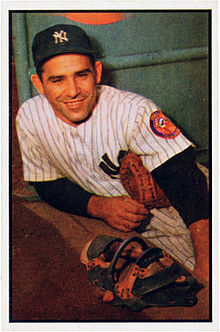
Was Hall of Famer Yogi Berra Jewish?

Was Hall of Fame baseball player Yogi Berra a Jew? No Yogi Berra was not Jewish. He was a Christian. According to Wikipedia, "Berra was a Roman Catholic, and he attended South Side Catholic, now called St. Mary's High School, in south St. Louis..."

An MLB article summarizes his amazing career.

Given his name it would be fair to ask, Was Yogi Berra a Hindu? According to the MLB article, "Bobby Hofman, a childhood friend who eventually played shortstop for the New York Giants and worked for the Yankees, hung the nickname Yogi on him after noting Berra's resemblance to a Hindu holy man the two had seen in a movie."

9/21/15

חדשות 2: פרסום ראשון: אוניברסיטת בר אילן סילקה סטודנט מהמעונות כי לא חבש כיפה No Kippah - No dorm room - Bar Ilan U. evicts student who goes kippahless

כתבה שפורסמה בחדשות 2 ועשויה לעניין אותך.
פרסום ראשון: אוניברסיטת בר אילן סילקה סטודנט מהמעונות כי לא חבש כיפה
סטודנט בפקולטה למשפטים באוניברסיטת בר אילן לא יוכל להמשיך להתגורר במעונות בתוך הקמפוס לאחר שאב הבית הבחין בו כשהוא ללא כיפה, כך נודע לחדשות 2 Online. "הוא ראה אותי פעם אחת ממש מזמן", הדגיש הסטודנט, אך באוניברסיטה מתעקשים: "הוא התהלך מספר פעמים ללא כיפה, יוכל להתגורר במעונות מחוץ לקמפוס"
מתן חצרוני
י', סטודנט למשפטים שהתגורר במעונות הדתיים באוניברסיטת בר אילן, התבשר אתמול (ראשון) כי לא יוכל להמשיך להתגורר במעונות בשנת הלימודים הקרבה, כך נודע לחדשות 2 Online. הסיבה: אב הבית ראה אותו מסתובב במעונות כשהוא לא חובש כיפה.
רוצים לקבל עדכונים נוספים? הצטרפו לחדשות 2 בפייסבוק
"מדור מעונות הודיע לי שאני לא מתקבל למעונות של בר אילן מכיוון שלאורך השנה החולפת לא הקפדתי לשים כיפה בשטח הקמפוס. אב הבית אחראי על ההחלטה הזו", סיפר. י' הוא סטודנט שבא ממשפחה דתית, למד בישיבה ושומר על כשרות ועל שבת.
"אב הבית ראה אותי פעם אחת יחידה ללא כיפה וזה היה ממש מזמן", סיפר. "אני גר בנהריה אז אין לי פריבילגיה לנסוע מהבית וגם לא להשכיר דירה". זמן קצר לפני תחילת שנת הלימודים האקדמית ייאלץ כעת י' למצוא מקום מגורים חלופי.
"מצהיר בזה כי אני מנהל אורח חיים דתי"
מי שזכאי להגיש בקשה לדיור במעונות סטודנטים באוניברסיטה חייב לעמוד בתנאים הבאים: בוגרי בית ספר תיכון דתי המנהלים אורח חיים דתי, סטודנטים מן המניין לתואר ראשון, ועליהם לעמוד במינימום שעות לימוד אקדמיות. לדבריו, אין לו אפשרות להירשם למעונות שמפעילה האגודה כי ההרשמה תמה.
בנוסף, בזמן ההרשמה על הסטודנטים לחתום על טופס שבו נכתב בין היתר: "אני מבקש להגיש מועמדות למעונות המיועדים לשומרי אורח חיים דתי ומצהיר בזה כי אני מנהל אורח חיים דתי. ידוע לי שבאם לא אנהל אורח חיים כזה, שבו יש בין השאר הקפדה של שמירת כשרות, שמירת שבת ומועדים, לבוש צנוע והתנהגות צנועה לא אוכל להמשיך להתגורר במעונות אלה".
מאוניברסיטת בר אילן נמסר בתגובה: "מעונות הסטודנטים בתחומי הקמפוס מיועדים לסטודנטים השומרים על אורחות חיים על פי ההלכה. כל סטודנט המבקש להתגורר במעונות של האוניברסיטה חותם על התחייבות לשמור על אורח חיים דתי - וכיפה היא חלק מאורח החיים הדתי. בנוסף להתחייבות בכתב, המחויבות הזאת גם מובהרת לסטודנטים במהלך הריאיון עם אחראית המעונות לגבי הנהלים.
האוניברסיטה לא מעירה ובוודאי שלא מסלקת סטודנט לאחר פעם אחת שהלך ללא כיפה. במקרה הזה, למרות ההתחייבות שעליה חתם, הסטודנט התהלך מספר פעמים ללא כיפה ולא פעם אחת כפי שטען ולא שעה לפניות של אב הבית בעניין.
לנוכח זאת הוחלט השנה שלא לאפשר לו לשוב למעונות המיועדים למי ששומרים על אורח חיים דתי. הסטודנט יוכל להתגורר, אם ירצה בכך, במעונות מחוץ לקמפוס שבהם אין התחייבות כזאת".
יש לציין שבשיחה עם חדשות 2 Online הכחיש י' את טענות האוניברסיטה והדגיש כי מדובר היה במקרה חד פעמי.
לפניות לכתב: MatanH@Ch2news.tv
הצטרפו לעמוד הפייסבוק של מתן חצרוני
חדשות 2 - איתכם בכל מקום

NPR's "On Being" addresses The Refreshing Practice of Repentance

It is always nice to see the good things that one of your students has been doing.

Louis Newman, who got his masters at the U of M and then went off to get his PhD at Brown, now teaches at Carleton.

He nicely addresses a variety of issues pertinent to this season of the High Holy Days in a broadcast called, The Refreshing Practice of Repentance on the NPR series,"On Being" with Krista Tippett.


The show originates from the Twin Cities and covers a wide variety of spiritual topics. [Hat tip to KS.]

I haven't dealt with repentance in any systematic way. Most recently I did write a bit about apologies in general and compassion in the Kol Nidre ritual.

My favorite moment from the show was when Krista quoted Louis' reference to Rabbi Soloveitchik who says in one of his works that the practice of repentance is so bewildering that even the angels to not understand it: "Repentance cannot be comprehended rationally. It does not really make sense. Even the angels do not understand what repentance is."

Newman cites the Talmud's statement (in Berakhot 54a) that repentance was created at twilight just before the first Sabbath, which means to him that repentance is a miracle that God placed in the world.

Newman published a fine book about repentance in 2010, reviewed here.

Postscript question for 5776:
This year I am reflecting on the marathon nature of the Yom Kippur services and rituals. As an active person, as a rule I work out every day. I swim laps in a pool. I do not swim the English Channel, not even once a year. I do not engage in marathon runs or triathlons. Would it not be better for the soul and the psyche for most people, I wonder, to practice serious but smaller and more manageable rituals of repentance on a daily basis? Self reflection and improvement should be ritualized and actualized as a continuous process, shouldn't it?